

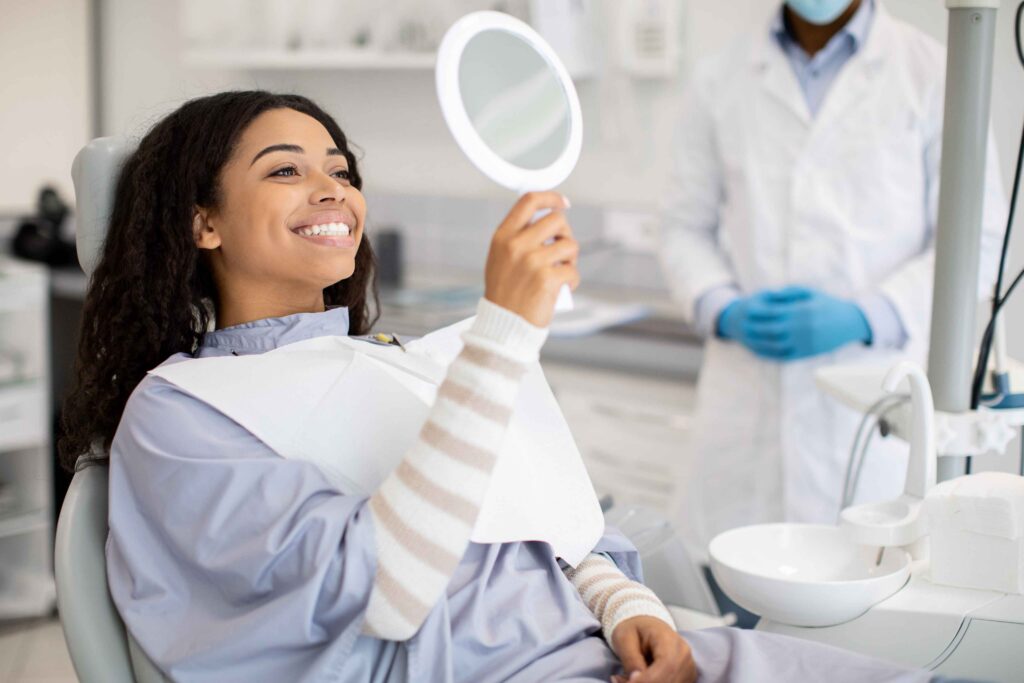
Teeth whitening in Lansdale, PA may help lighten stains on natural enamel caused by coffee, tea, wine, tobacco, aging, and everyday foods. A dental visit helps patients understand whether whitening is suitable, how sensitivity may affect comfort, and whether existing crowns, fillings, bonding, or veneers could limit shade changes. Patients in Lansdale, Colmar, and Hatfield may benefit from checking tooth health first, so whitening fits safely into their cosmetic and restorative dental plans.
A brighter smile often becomes a priority before a wedding, graduation, family photo, job change, or reunion. Some Lansdale patients notice their teeth look darker in pictures. Others feel their smile looks less fresh even though they brush and floss. Tooth color can change slowly, so it may not stand out until a special moment gets close.
Teeth whitening in Lansdale, PA can be a helpful option for stains on natural enamel, but it should begin with a clear understanding of what is causing the color change. Whitening may not work the same way on every tooth, and it does not change the color of crowns, fillings, veneers, or bonding. A dental exam can help patients learn whether the teeth and gums are healthy enough for whitening, whether sensitivity needs attention first, and whether cosmetic timing should be planned around future dental work.
Why Teeth Can Look Darker Over Time
Tooth color is affected by enamel, dentin, diet, age, and habits. Enamel is the outer layer of the tooth. Under it is dentin, which has a naturally warmer tone. As enamel changes with age or wear, more of that yellow tone may show through.
Food and drink stains also play a role. Coffee, tea, red wine, dark berries, cola, tomato sauces, and tobacco can leave color behind. Some stains sit closer to the surface, while others are deeper and harder to change.
A single dark tooth may need a different kind of evaluation. It may be linked to old trauma, deep decay, nerve changes, or older dental work. Whitening the full smile may not fix a tooth that has changed color for a health-related reason.
What Whitening Can Change and What It Cannot
Whitening is designed to lighten natural tooth enamel. It may help reduce yellow or brown staining and make the smile look brighter. Results vary because enamel thickness, stain type, age, and daily habits all affect how teeth respond.
Teeth whitening in Lansdale, PA does not change crowns, bridges, veneers, dentures, bonding, or tooth-colored fillings. This matters if dental work is visible in the smile. Natural teeth may brighten while older restorations stay in the same shade.
Whitening also does not repair chips, close spaces, straighten teeth, or change tooth shape. If a patient wants a brighter smile and has uneven edges, worn teeth, or old dental work, the dentist may discuss a staged cosmetic plan.
Sensitivity Should Be Checked Before Whitening
Some patients already have sensitive teeth before asking about whitening. Cold drinks, sweets, brushing near the gumline, or breathing in cool air may trigger discomfort. Whitening may increase sensitivity for some people, especially when exposed roots, enamel wear, recession, cracks, or untreated cavities are present.
A dentist may ask whether sensitivity is short, sharp, lingering, or tied to one tooth. That detail matters. A quick twinge across several teeth may have a different cause than deep pain in one tooth.
If sensitivity is linked to decay, gum recession, a cracked tooth, or nerve irritation, whitening may need to wait. Checking first helps patients avoid making an existing concern more uncomfortable.
Shade Planning Matters Before Crowns
A patient planning dental crowns in Lansdale, PA may need to think about whitening before the crown shade is selected. A crown is made to match the tooth color at the time it is designed. Once the crown is made, it will not whiten like natural enamel.
This matters most for front teeth or teeth that show when smiling. If a patient whitens after a visible crown is placed, the natural teeth may become lighter while the crown stays in the same shade. The difference may become more noticeable.
In many cases, whitening is discussed before final shade matching for visible crowns, veneers, bonding, or fillings. The dentist can explain whether this timing applies to the patient’s situation.
Patients Near Colmar May Have Both Health and Cosmetic Questions
Someone looking for a dentist in Colmar, PA may have more than one concern. A patient may want whiter teeth but also have bleeding gums, an old filling, or one tooth that feels sensitive. Cosmetic treatment should not ignore those health details.
A dental exam may show that cleaning should happen before whitening. It may also reveal cavities, gum inflammation, exposed roots, or old dental work that affects the result.
This does not mean whitening is off the table. It means the plan should be based on the mouth as it is now. Patients often feel more confident when they understand what will brighten and what may need separate care.
Patients Near Hatfield May Benefit from Clear Timing
A patient searching for a dentist in Hatfield, PA may be comparing cosmetic options before an event or before restorative care. Timing can matter. Whitening too close to other dental work may make shades matching harder. Whitening over untreated sensitivity may make the process less comfortable.
A dentist may recommend starting an exam, then cleaning, then whitening if appropriate. If visible restorations need replacement, those may be planned after the tooth shade settles.
For patients in Hatfield and nearby Lansdale, a careful order can prevent surprises. It helps connect cosmetic goals with long-term oral health.
What Patients May Appreciate After Whitening
For the right candidate, teeth whitening in Lansdale, PA may help natural teeth look brighter without changing their shape. It can be a simple cosmetic step when the teeth and gum are healthy enough.
Patients may appreciate:
- A brighter shade for natural enamel
- Less visible staining from common foods and drinks
- A fresher look before photos or events
- Better shade planning before visible dental work
- More awareness of sensitivity and enamel health
- A clearer understanding of what cosmetic care can change
Whitening results are not permanent. Coffee, tea, wine, tobacco, and staining foods can darken teeth again over time. Home care and regular dental visits help maintain the results.
What Usually Happens During a Whitening Visit
Before whitening, the dentist may review current tooth shade, cosmetic goals, sensitivity, gum health, cavities, and existing restorations. Cleaning may be recommended if plaque or tartar affects the way the teeth look.
During treatment, the dentist explains the whitening approach and what sensations may occur. Some patients notice temporary sensitivity. Instructions should be followed closely, especially if part of the process continues at home.
After whitening, patients may receive guidance about staining foods, drinks, oral hygiene, and sensitivity. If crowns, fillings, bonding, or veneers are planned, the dentist may wait until the shade settles before choosing a final color.
Local Patient Review
“I wanted my teeth to be brighter before a family event, but I had an older crown near the front. The visit helped me understand why shade timing mattered.”
A Brighter Smile Should Still Start with Healthy Teeth
A whiter smile can feel more natural to plan when tooth color, sensitivity, older dental work, and future cosmetic goals are all reviewed together. Advanced Dental Esthetics can help patients think through shade choices and oral health needs before making changes that affect the visible smile.
Frequently Asked Questions
Can whitening remove coffee and tea stains?
Whitening may help lighten many stains from coffee, tea, wine, tobacco, and aging. The response depends on enamel, stain depth, and daily habits.
Will my crowns or fillings get lighter too?
No. Crowns, fillings, veneers, bonding, bridges, and dentures do not whiten like natural enamel. Visible dental work may need shade review.
Is sensitivity common after whitening?
Some temporary sensitivity may occur. If sensitivity is strong, lasts, or affects one tooth more than others, a dentist should check for another cause.
Should I have cleaning first?
Cleaning may help remove plaque and tartar so the teeth can be evaluated more clearly. It can also help separate buildups from deeper stains.
Can whitening fix a chipped tooth?
No. Whitening changes color, not tooth shape. A chipped tooth may need bonding, a veneer, a crown, or another repair depending on its condition.
Why is one tooth darker than the others?
One dark tooth may be linked to injury, old dental work, decay, or nerve changes. It should be checked before whitening begins.
How long can a brighter shade last?
Results vary based on diet, oral hygiene, tobacco use, enamel, and maintenance habits. Dark drinks and staining foods can cause color to return sooner.
Can cosmetic work be planned in stages?
Yes. Whitening, crowns, bonding, veneers, or other cosmetic care may be planned in a careful order, so shade and tooth health work together.